Skip to content

VIDI's engines.

In EE Partner's VIDI, thirteen engines work on your question together, each with its own job.

Top 50 in the world at forecasting
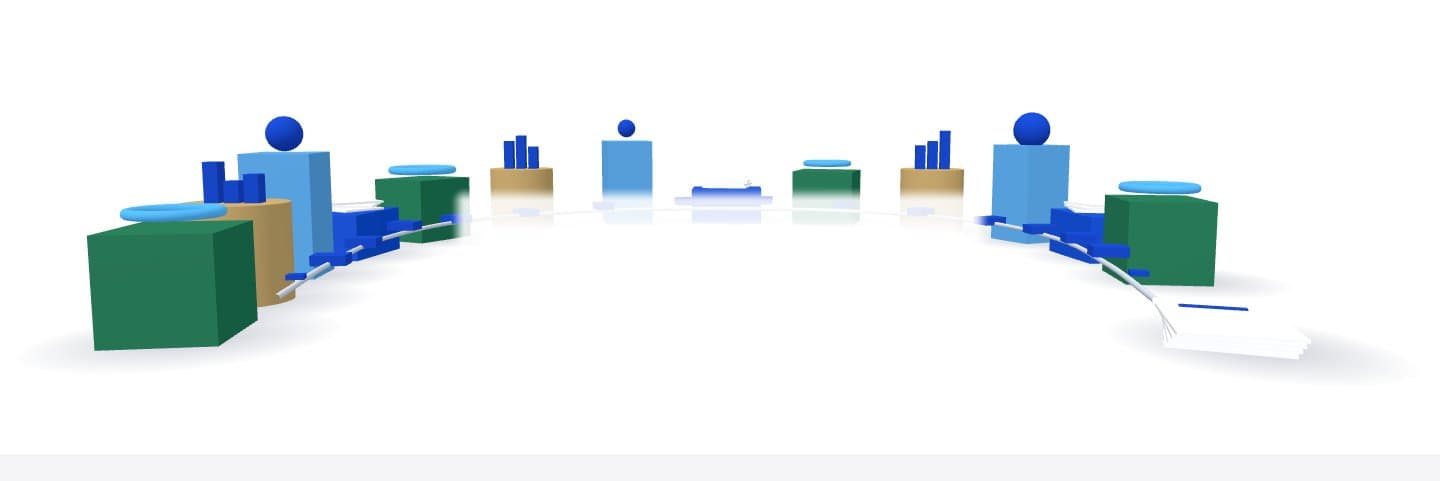
On ForecastBench, the world leaderboard for forecasting systems: top 50 in simulations, within 3 points of the leader, Google DeepMind.

What each engine does.

Every question uses the ones it needs. Pick an engine to see it up close.
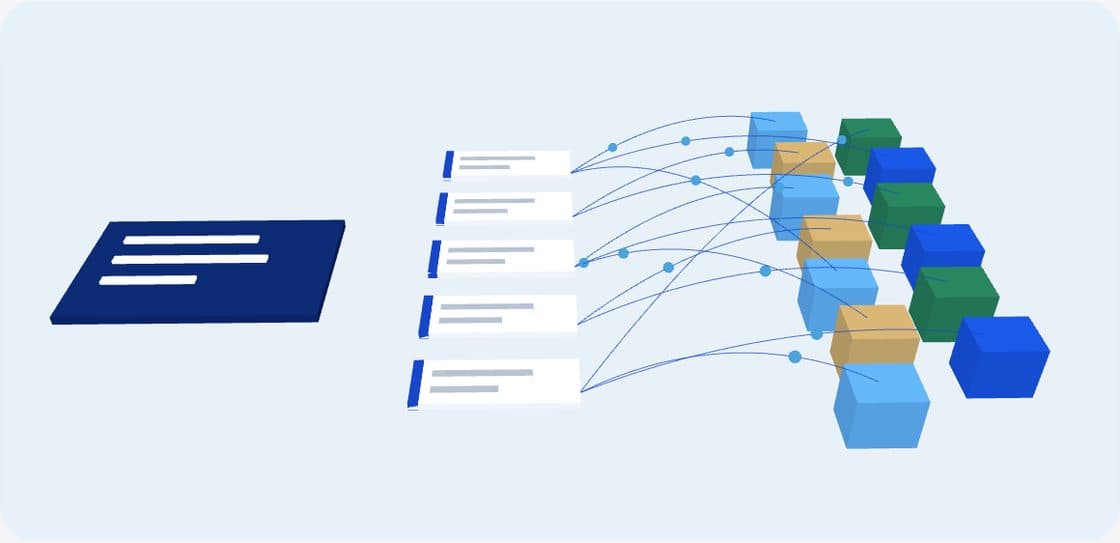
One of VIDI's 13 engines

The question planner

Splits your question into parts that can be measured.

What it does for you

It takes your question just as you ask it and splits it into smaller parts, each with a number to estimate. For each part it picks the data and the engines it needs. So no piece of your question goes unanswered.

A sample question

“Should we open a second store next year?”

Works for

One of VIDI's 13 engines

Your data

Invoices, sales and campaigns, read and put in order.

What it does for you

It reads the data you already have: e-invoices, exports from your management software, bank statements, the history of your campaigns. It checks the files, finds the flaws and measures what worked, and with whom. So the answers start from your real numbers.

A sample question

“Which customers respond best to our offers?”

Works for

One of VIDI's 13 engines

Context and sources

Your market studied, every fact with its source.

What it does for you

It studies your business and your market: competitors, prices, rules, signals. Every fact it finds carries its source and date, and the pages it cites stay archived. So you always know where what you read comes from.

A sample question

“What is changing in our market this year?”

Works for

One of VIDI's 13 engines

Cases with a known outcome

Millions of closed cases, to estimate the odds.

What it does for you

It looks at millions of closed cases where we know how things turned out: companies, financial statements, tenders, public grants. From what really happened in cases like yours, it works out the odds of things going one way or the other. It's the engine that keeps VIDI's feet on the ground.

A sample question

“What are our chances of winning this tender?”

Works for

One of VIDI's 13 engines

Official statistics

Figures from statistics institutes, with the source.

What it does for you

It downloads and computes the official figures your question needs, from national and European statistics institutes. Every number arrives with its source. So the estimates rest on public data that anyone can check.

A sample question

“How big is our market, at home and across Europe?”

Works for

One of VIDI's 13 engines

Time series

Where your numbers are heading, with the range.

What it does for you

It forecasts sales, prices and indicators for the months ahead, starting from how they have moved so far. It doesn't give you a single number: it gives you the range the value will almost always fall within. So you plan knowing how far it can drift.

A sample question

“What will our revenue be over the next 12 months?”

Works for

One of VIDI's 13 engines

Companies in the market

Who's there, where, and how big.

What it does for you

It counts companies, employees and revenue by country, province, industry and size. It tells you how big your market is and where it's concentrated. So you know how many potential customers there really are, and where.

A sample question

“Which regions have the most potential customers for us?”

Works for

One of VIDI's 13 engines

Similar cases

The past situations closest to yours.

What it does for you

It searches the archives of closed cases for the situations most like yours and shows you how they turned out. Not an average of everyone: only the cases that resemble yours. So you see what happened to those who stood where you stand.

A sample question

“How did it go for other companies that raised prices the way we plan to?”

Works for

One of VIDI's 13 engines

Competitors

Who bids for tenders, and who wins.

What it does for you

It looks at who bids for tenders like yours, who wins them and with what offers, from real award notices. It tells you who you'll be up against and who the incumbent is. So you know your rivals before you decide whether to bid.

A sample question

“Who are we up against in this tender, and with what offers?”

Works for

One of VIDI's 13 engines

Simulated market

How customers respond to prices and offers.

What it does for you

It puts thousands of simulated customers, built on real data from your market, in front of your offer. It watches who buys and who walks away when you change the price or the proposal. So you can test a price before you take it to market.

A sample question

“How high can we raise our price without losing customers?”

Works for

One of VIDI's 13 engines

Scenarios

What happens if costs, prices or demand change.

What it does for you

It answers the “what if”: if energy costs more, if prices rise, if demand falls. It simulates thousands of possible futures on official data and shows you the downside, central and upside cases. So you decide knowing what could happen.

A sample question

“What happens to our margins if energy prices go up?”

Works for

One of VIDI's 13 engines

The chain that joins the estimates

Each engine passes on its estimate, with its uncertainty.

What it does for you

It brings together the work of every engine: each one passes on its estimate with its uncertainty, and the chain joins them into a single answer. The engines that were most accurate on closed cases count for more. So the answer weighs everything, without losing the doubts along the way.

A sample question

“What will our revenue be next year, and how far can we trust the number?”

Works for

One of VIDI's 13 engines

The decision maker

From estimates to a decision, with how far to trust it.

What it does for you

It turns the estimates into a clear decision: what to do, how likely it is to work and what would change it. Before handing you the document, it rereads the whole chain and confirms or corrects it. So you get a choice, not just numbers.

A sample question

“Do we bid for this tender or not?”

Works for

An illustration, not an engine

The human brain simulation

How a message lands with the person reading it.

What it does for you

When you compare messages, such as two offers or two letters to customers, the document can include a page showing how each one lands in the reader's brain. It's an illustration to help you understand, not evidence, and not one of the thirteen engines.

A sample question

“Which of these two messages makes the stronger impression on our customers?”

We measure how accurate they are.

Every engine is tested on decisions already closed, where the real outcome is known. The tests, the rules and the results are all on one page.

Method and measures ›

Let's talk.

Tell us what you need to decide and we'll tell you which engines your question needs.

With VIDI, your first question is free. The terms ›

Write to usinfo@ee-partner.com